Physical Address
304 North Cardinal St.
Dorchester Center, MA 02124
Physical Address
304 North Cardinal St.
Dorchester Center, MA 02124


When we sit down to a meal, most of us think about what we’re eating, but not how we eat it. Yet, research shows that the sequence in which we consume different food groups can influence digestion, blood sugar control, and even our overall satisfaction afterward. In other words, the order of eating is not just a detail; it’s a nutritional strategy.
The primary goal of sequencing is to minimize glucose spikes. When you eat carbohydrates on an empty stomach, they are quickly converted into sugar, causing a sharp rise and a subsequent “crash” in blood sugar.
1. Start with Fiber-Rich Foods, that is to say, Vegetables First, like leafy greens, broccoli, cauliflower, carrots, beans, lentils, salads
Dietary fiber acts as a physical and metabolic buffer in the digestive system. When eaten first, fiber:
This results in a lower and more gradual rise in blood sugar levels after eating.
Starting a meal with vegetables has been shown to reduce post-meal blood sugar by up to 30–50%, particularly in individuals with insulin resistance or type 2 diabetes. Insulin is the hormone responsible for moving glucose from the bloodstream into cells. Rapid glucose absorption requires large insulin releases, which, over time, can contribute to insulin resistance.
Follow up with your protein source like eggs, poultry, fish, tofu, beans, Greek yogurt, and lean meats.
Protein plays a crucial role in regulating metabolism and appetite. When consumed before carbohydrates, protein:
Protein before carbohydrates also reduces the insulin spike required to manage blood sugar, lowering metabolic stress.
Essential oils like olive oil, avocado, nuts, seeds, fatty fish
Fats slow digestion even further and improve the absorption of fat-soluble vitamins (A, D, E, and K). When eaten alongside fiber and protein, fats:
Fats do not need to be eaten separately; they often naturally accompany protein and vegetables.
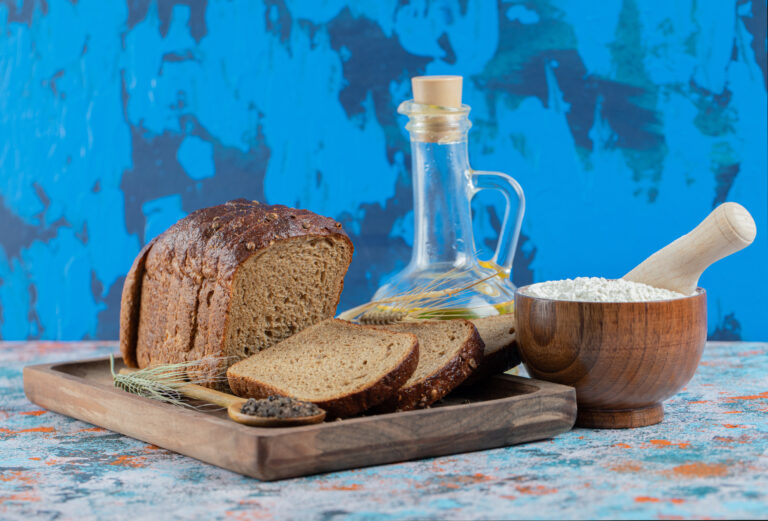
Save the starches such as rice, pasta, bread, potatoes, fruit, and desserts.
Carbohydrates have the most immediate impact on blood sugar. Eating them last after fiber, protein, and fat results in the following:
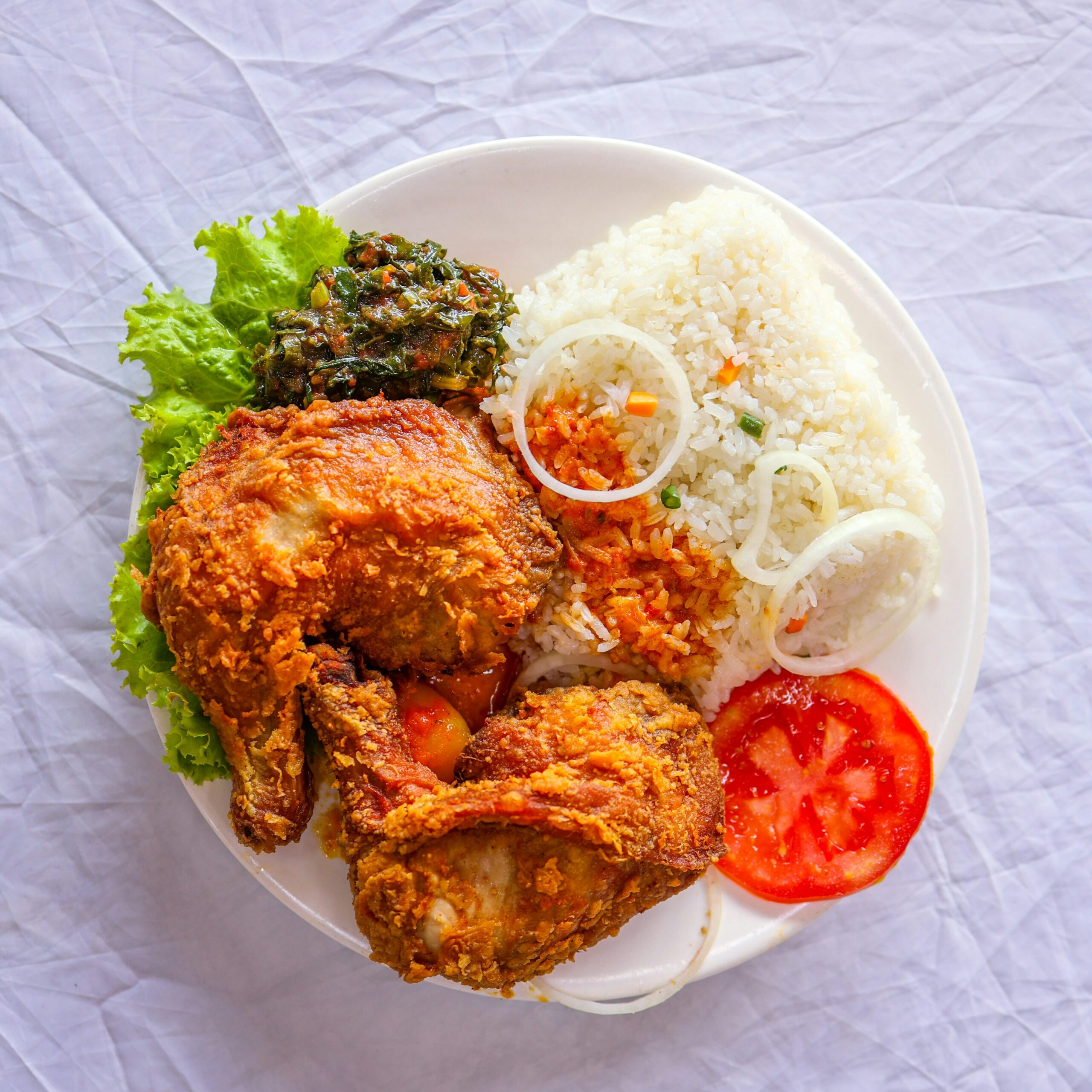
Assuming you are having a plate of
Start with greens like sukuma wiki (collard greens), dodo (amaranth), or cabbage.
Add protein such as beans, groundnuts, fish, or chicken.
Finish with staples like matooke, posho, or sweet potatoes.
End with fruit like mango or pineapple, if desired.
Practical Tips for a Meal
To optimize your digestion and blood sugar, you should sequence your meal by starting with greens like sukuma wiki or cabbage, moving on to proteins like beans or fish, and finishing with staples like matooke or posho before enjoying a mango for dessert.
By simply reordering your plate, starting with fiber-rich greens and proteins before finishing with staples, you can effectively flatten your glucose curves, sustain your energy levels, and take control of your long-term nutritional well-being without giving up the foods you love.”







you might be the next big thing ..keep up the good work